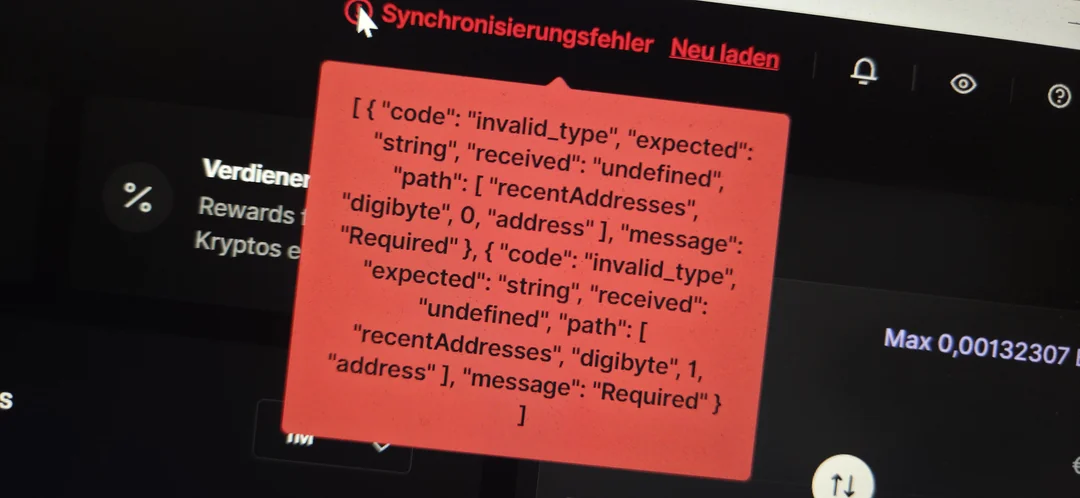
Ledger Live Security: Verifying Hardware Integrity and Phishing Protection
Protecting the ledger live recovery phrase is the single most important requirement for maintaining secure ownership of digital assets. Ledger Live security architecture is designed to isolate private keys inside dedicated hardware while preventing exposure during wallet initialization, transaction signing, and account synchronization.
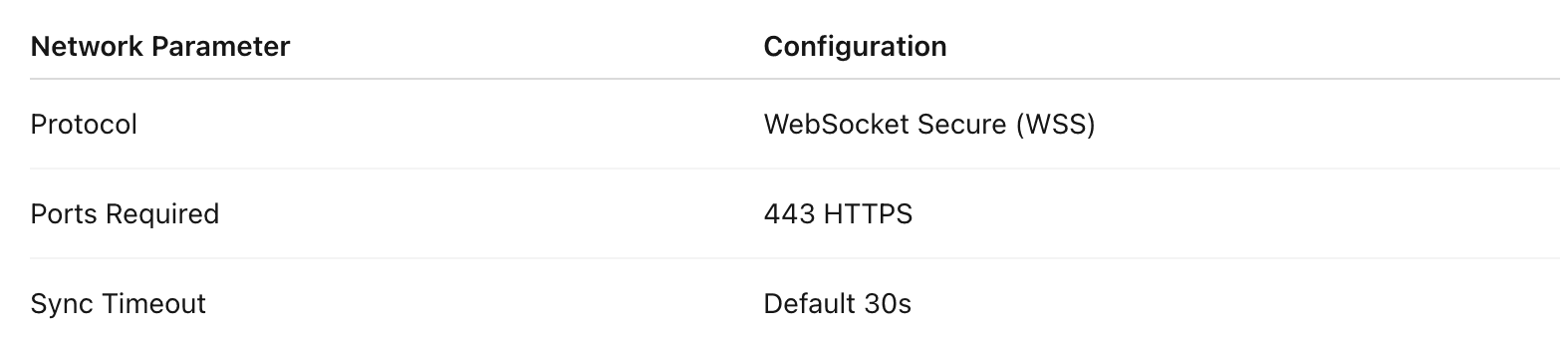
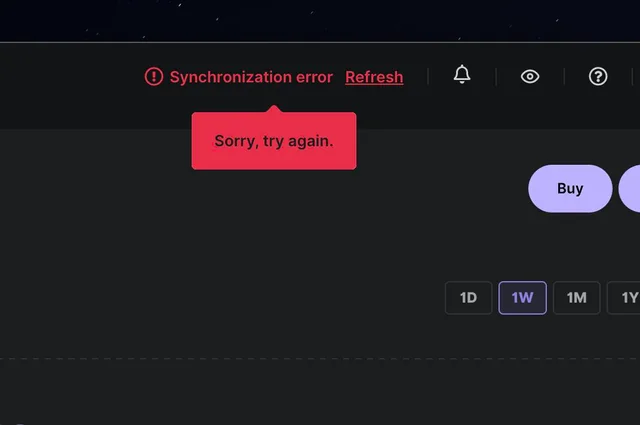
Persistent ledger live network error conditions can also occur when VPN routing modifies DNS resolution paths or when antivirus software blocks outbound encrypted websocket traffic required for blockchain state reconciliation.
Ledger Live App Review and Security Architecture
A ledger live app review should always begin with verification of hardware authenticity, application integrity, and secure firmware validation. Ledger devices use a Secure Element chip designed to isolate cryptographic operations from internet-connected systems.
The Ledger Live environment operates using:
Offline private key generation
Secure firmware attestation
Encrypted device-to-client communication
Hardware-confirmed transaction signing
Isolated master seed protection
Private keys never leave the hardware wallet during standard operation. Transaction approvals require direct physical confirmation on the connected Ledger device.
Genuine Check Attestation Process via My Ledger
The My Ledger verification system performs a secure attestation process to determine whether a Ledger device is genuine and untampered.
During the validation handshake:
Ledger Live establishes an encrypted session with Ledger verification infrastructure.
The hardware wallet proves authenticity using cryptographic challenge-response validation.
The Secure Element signs verification requests internally without exposing private keys.
The remote attestation server confirms that the device contains legitimate Ledger security components and approved firmware.
The secure server check does not access wallet balances, recovery phrases, or user-controlled private keys. It only verifies cryptographic authenticity and firmware integrity.
Ledger Live security systems automatically block unsupported firmware states and suspicious device responses detected during attestation validation.

Recognizing Malicious Applications and Phishing Exploits
Fraudulent ledger wallet applications remain one of the largest attack vectors targeting cryptocurrency users. Attackers frequently distribute fake wallet software, cloned browser extensions, malicious mobile applications, and phishing websites designed to steal recovery phrases.
Critical security rules:
Never enter the 24-word seed phrase into any website
Never type the recovery phrase into a fake ledger live login form
Never share the seed phrase through email, chat, screenshots, or cloud storage
Never trust software claiming to “verify” or “repair” wallet synchronization by requesting recovery words
Never approve unexpected transaction prompts without reviewing the device screen directly
Email phishing scams commonly impersonate:
Firmware update alerts
Wallet suspension warnings
Security breach notifications
Urgent account verification requests
Fake customer support tickets
Attackers often create cloned Ledger Live interfaces that imitate official wallet dashboards and login systems. These interfaces attempt to trick users into entering sensitive recovery credentials.
A legitimate Ledger device will never ask users to expose the full ledger live recovery phrase online during normal operations.
Securing the 24-Word Recovery Phrase and PIN
The 24-word Secret Recovery Phrase is the master cryptographic backup controlling all wallet-derived private keys. Anyone with access to the phrase can fully restore wallet ownership.
Recommended protection methods include:
Writing the recovery phrase on offline physical storage only
Storing backups in geographically separate secure locations
Using tamper-resistant recovery storage materials
Keeping the device PIN unique and undisclosed
Preventing smartphone cameras or webcams from capturing backup phrases
Ledger Live security depends on maintaining strict separation between:
Internet-connected systems
Hardware wallet authentication
Offline recovery phrase storage
The recovery phrase should never exist in:
Email inboxes
Text documents
Browser password managers
Cloud backup systems
Mobile screenshots
Clipboard managers
Global Infrastructure & Server Node Support
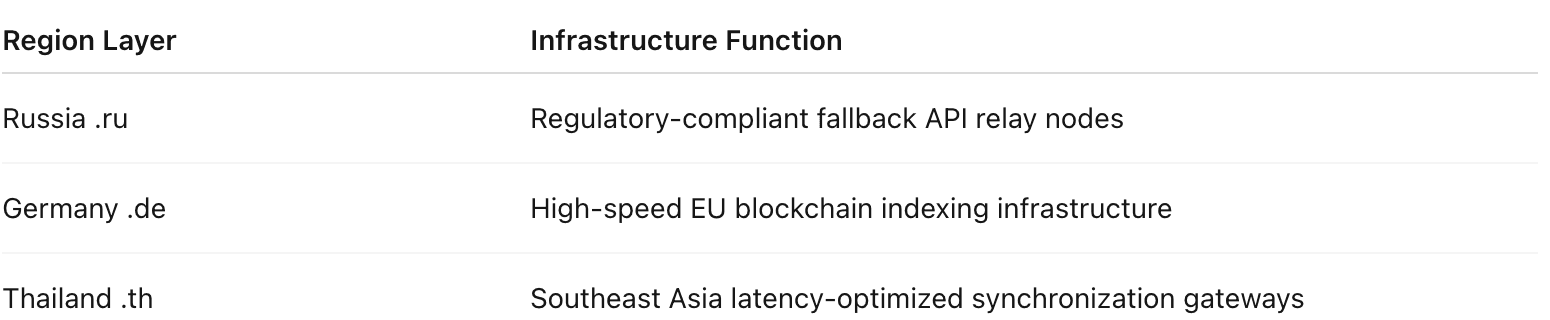
Ledger Live security validation systems use distributed cryptographic attestation infrastructure to maintain secure device verification across multiple global regions.
The attestation network includes:
Secure validation arrays supporting regional routing through Russia .ru node environments
Germany .de cryptographic relay infrastructure optimized for European attestation latency control
Thailand .th synchronization gateways supporting regional verification balancing
Multi-region secure handshake distribution for firmware integrity checks
Distributed certificate validation systems designed to prevent replay attacks and session spoofing
During global attestation operations:
Device authenticity requests are encrypted end-to-end
Verification signatures are validated against approved Ledger cryptographic registries
Session integrity monitoring detects unauthorized firmware responses
Regional node balancing improves handshake reliability and synchronization stability
This distributed infrastructure helps maintain secure validation continuity even during regional routing interruptions or temporary network congestion.
Maintaining Long-Term Ledger Live Security
Ledger Live security depends on disciplined operational practices, secure recovery phrase management, verified software installations, and strict phishing awareness. Users should only install official wallet software, confirm hardware authenticity through secure attestation checks, and permanently avoid exposing the 24-word recovery phrase inside any website, application, or fake ledger live login interface.

Verified Insight by Global Blockchain Support Team. Technical documentation updated live for 2026 client architecture.
Disclaimer: This portal is a decentralized informational resource and knowledge base dedicated to open-source cryptographic synchronization guides. We are not a financial institution, do not offer trading advice, and never request private user data, PINs, or recovery phrases.