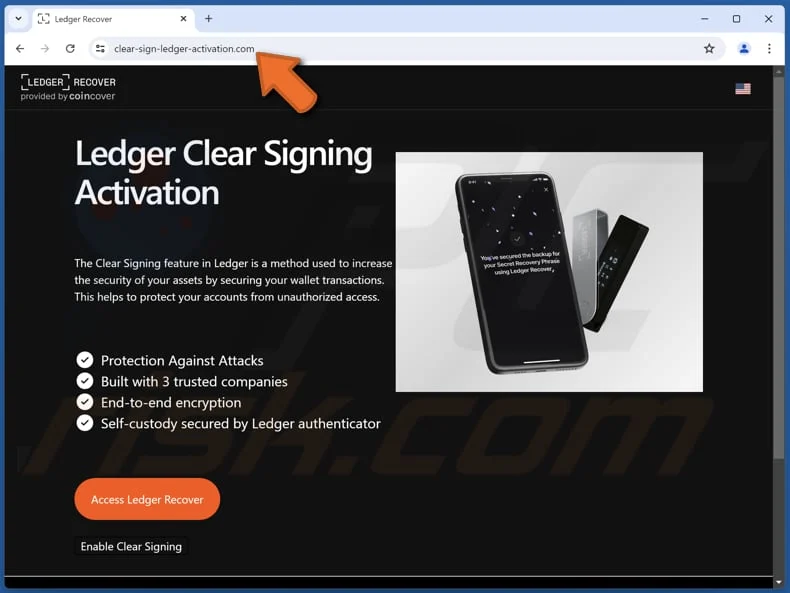
Resolving Ledger Live Network Error & Synchronization Issues
Users experiencing ledger live not synchronizing problems typically encounter delayed blockchain indexing, incomplete balance updates, failed account refresh cycles, or persistent connectivity loops. Most synchronization failures originate from unstable API sessions, corrupted local cache files, blocked HTTPS traffic, or interrupted websocket communication between Ledger Live and remote blockchain infrastructure.
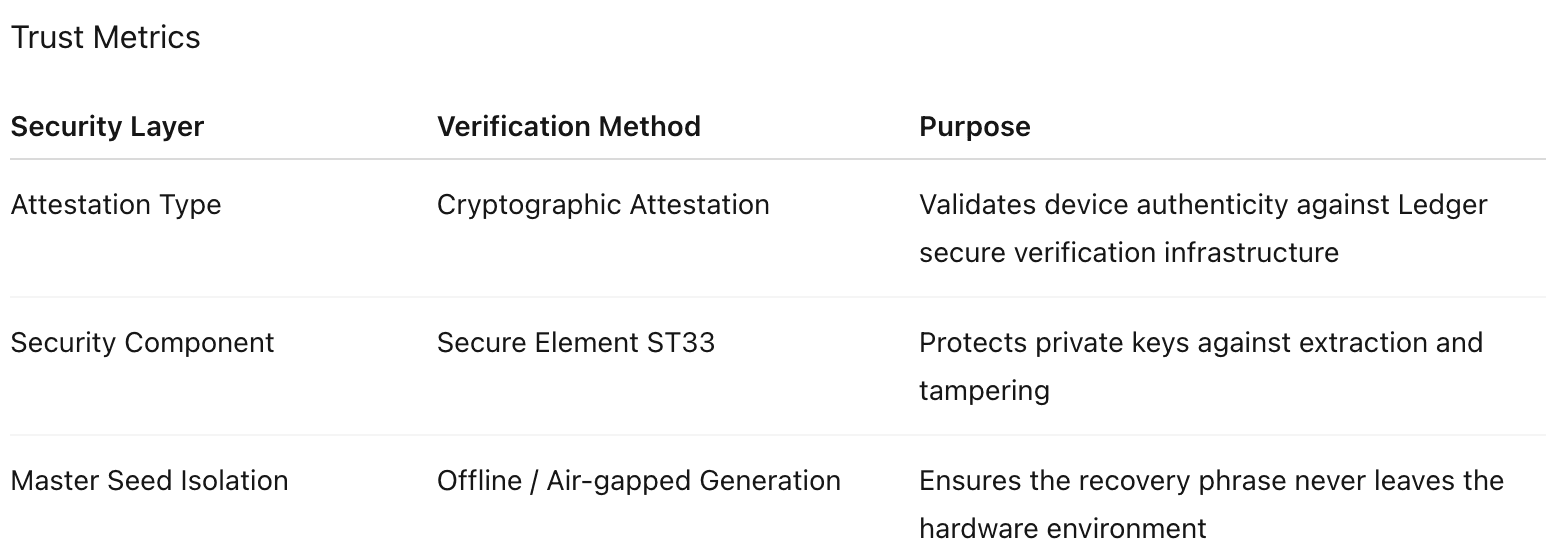
Diagnosing Ledger Live Network Error Conditions
A ledger live network error may appear during account synchronization, firmware verification, transaction broadcasting, or application updates. Common triggers include:
Corrupted synchronization cache
Outdated Ledger Live client versions
Firewall inspection blocking encrypted traffic
VPN packet filtering conflicts
Interrupted blockchain explorer API responses
DNS routing instability
Regional endpoint congestion
If ledger live not working errors continue after restarting the application, the local synchronization database should be rebuilt.
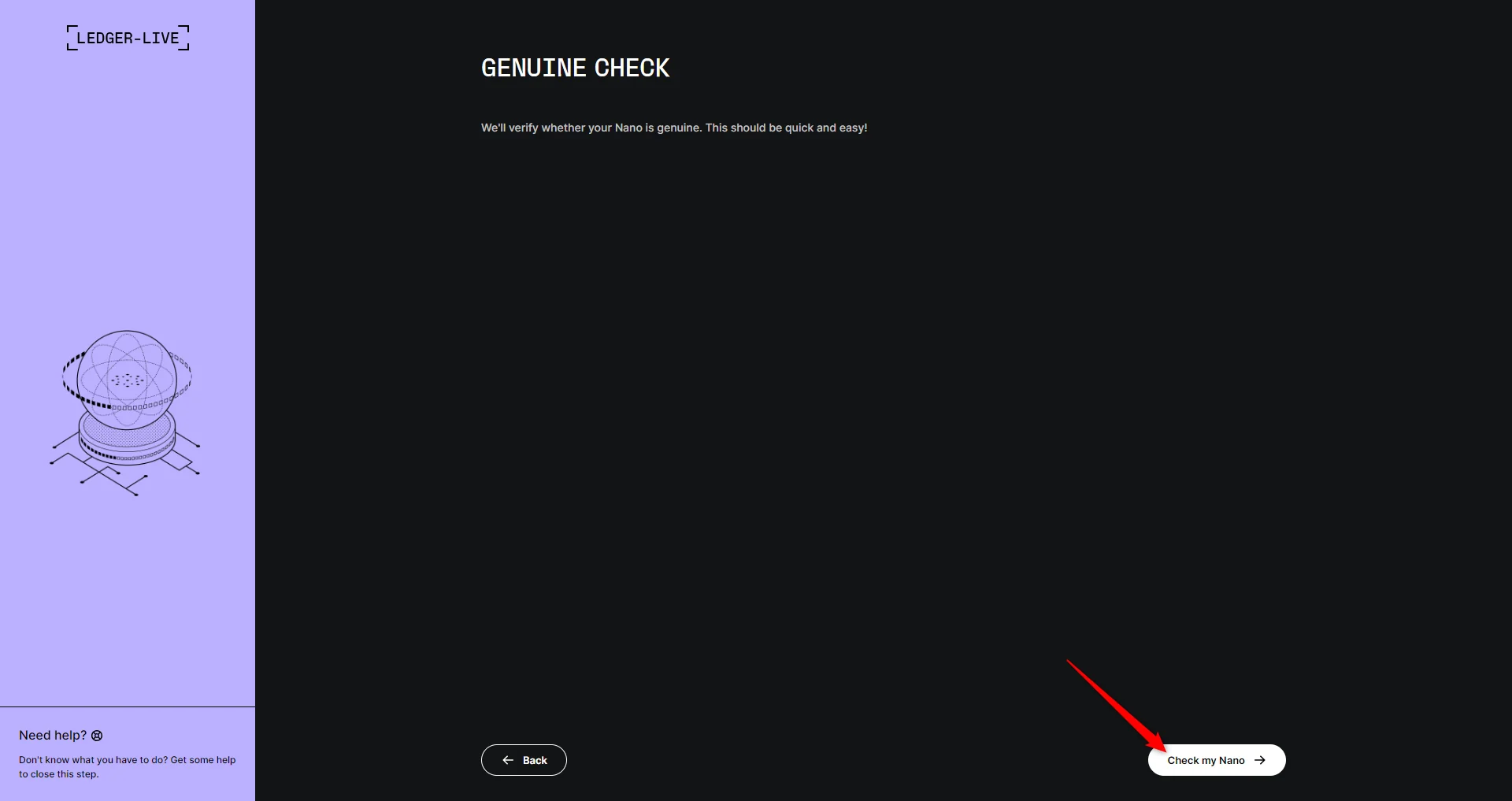
Fixing Interface Errors and Blank Screen Bugs
Certain Ledger Wallet Running But Not Displaying on Screen issues occur when the embedded rendering engine fails to load cached account metadata correctly. This can produce:
White screen loading states
Invisible account lists
Infinite loading loops
Frozen portfolio rendering
Missing transaction history
To reset the local client cache:
Fully close Ledger Live from the operating system task manager.
Navigate to the local application data directory and remove cached synchronization files.
Relaunch Ledger Live and allow the application to rebuild account indexes from remote blockchain nodes.
A full cache rebuild forces Ledger Live to request fresh synchronization data from upstream APIs rather than relying on corrupted local snapshots.
Users experiencing persistent ledger live update error notifications should also verify:
System clock synchronization
TLS certificate validation
HTTPS outbound connectivity over port 443
Available local storage capacity
Correcting Zero Balance and Crypto Asset Token Display Bugs
The “My Cardano (ADA) balance displays 0” condition is commonly linked to delayed API indexing or incomplete account reconciliation between blockchain explorer services and local account snapshots.
Ledger Live uses asynchronous balance aggregation logic where:
Blockchain data is fetched from multiple API providers
UTXO and staking balances are reconciled separately
Cached token metadata is validated before rendering
If ADA balances display incorrectly:
Force a manual account synchronization refresh.
Clear cached blockchain metadata.
Remove and re-add the affected Cardano account.
Verify that the latest Ledger Live version is installed.
Wrapped token display anomalies, including Wrapped Luna rendering bugs, typically originate from outdated token registry mappings or stale smart contract metadata responses. Ledger Live coin tracking systems periodically rebuild token display indexes after synchronization cycles complete successfully.
Users may temporarily observe:
Missing token logos
Incorrect decimal formatting
Delayed fiat conversion updates
Hidden wrapped asset balances
Duplicate token entries
Most display inconsistencies resolve after full blockchain reindexing and metadata cache refresh operations.
Resolving Continuous Ledger Live Synchronization Errors
Continuous ledger live not synchronizing loops often indicate unstable API handshake negotiation between the client and blockchain relay services. Recommended diagnostics include:
Switching to a different DNS provider
Disabling SSL-inspecting antivirus modules
Testing synchronization without VPN tunneling
Updating network adapter drivers
Verifying unrestricted HTTPS outbound traffic
Restarting websocket sessions by clearing local cache
Ledger Live connect sessions depend on uninterrupted encrypted synchronization requests across distributed blockchain infrastructure. Packet interruption during account indexing can cause repeated synchronization retries.
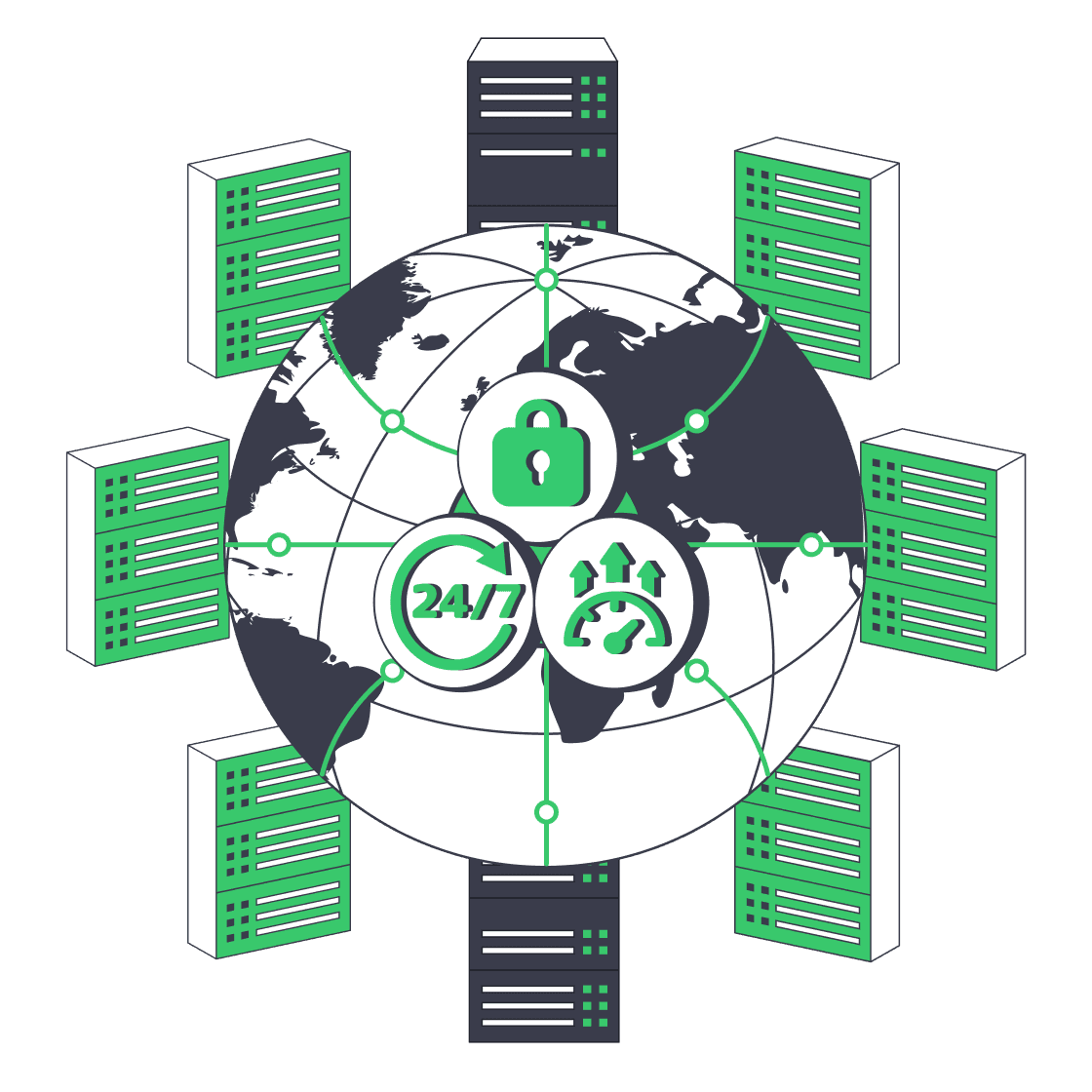
Global Infrastructure & Server Node Support
Ledger Live uses distributed synchronization infrastructure to maintain blockchain access reliability across multiple regions and compliance-aware routing layers.
Regional infrastructure support includes:
Russia .ru node relay environments for localized encrypted API routing and regional blockchain synchronization redundancy
Germany .de synchronization gateways optimized for European blockchain validation latency and encrypted traffic balancing
Thailand .th network layers configured for regional API distribution and fallback synchronization acceleration
Automatic proxy node fallback allocation during endpoint congestion or blockchain explorer instability
Multi-region websocket balancing for uninterrupted ledger live connect session recovery
Distributed synchronization clusters for improved transaction propagation and token indexing consistency
Alternative API synchronization endpoints are dynamically assigned when:
Primary explorer APIs timeout
Regional packet loss exceeds threshold limits
Blockchain indexing services become temporarily unavailable
Websocket handshake validation fails repeatedly
Maintaining Stable Ledger Live Connect Sessions
A stable ledger live connect environment depends on consistent encrypted network routing, updated application builds, healthy synchronization cache states, and reliable blockchain API responses. Regular cache maintenance, proper HTTPS access over port 443, and updated synchronization metadata help prevent recurring ledger live network error conditions while improving long-term wallet stability and crypto asset visibility.
Verified Insight by Global Blockchain Support Team. Technical documentation updated live for 2026 client architecture.
Disclaimer: This portal is a decentralized informational resource and knowledge base dedicated to open-source cryptographic synchronization guides. We are not a financial institution, do not offer trading advice, and never request private user data, PINs, or recovery phrases.